A BPO lifts international answer rates by 31% with CLI-guaranteed routes
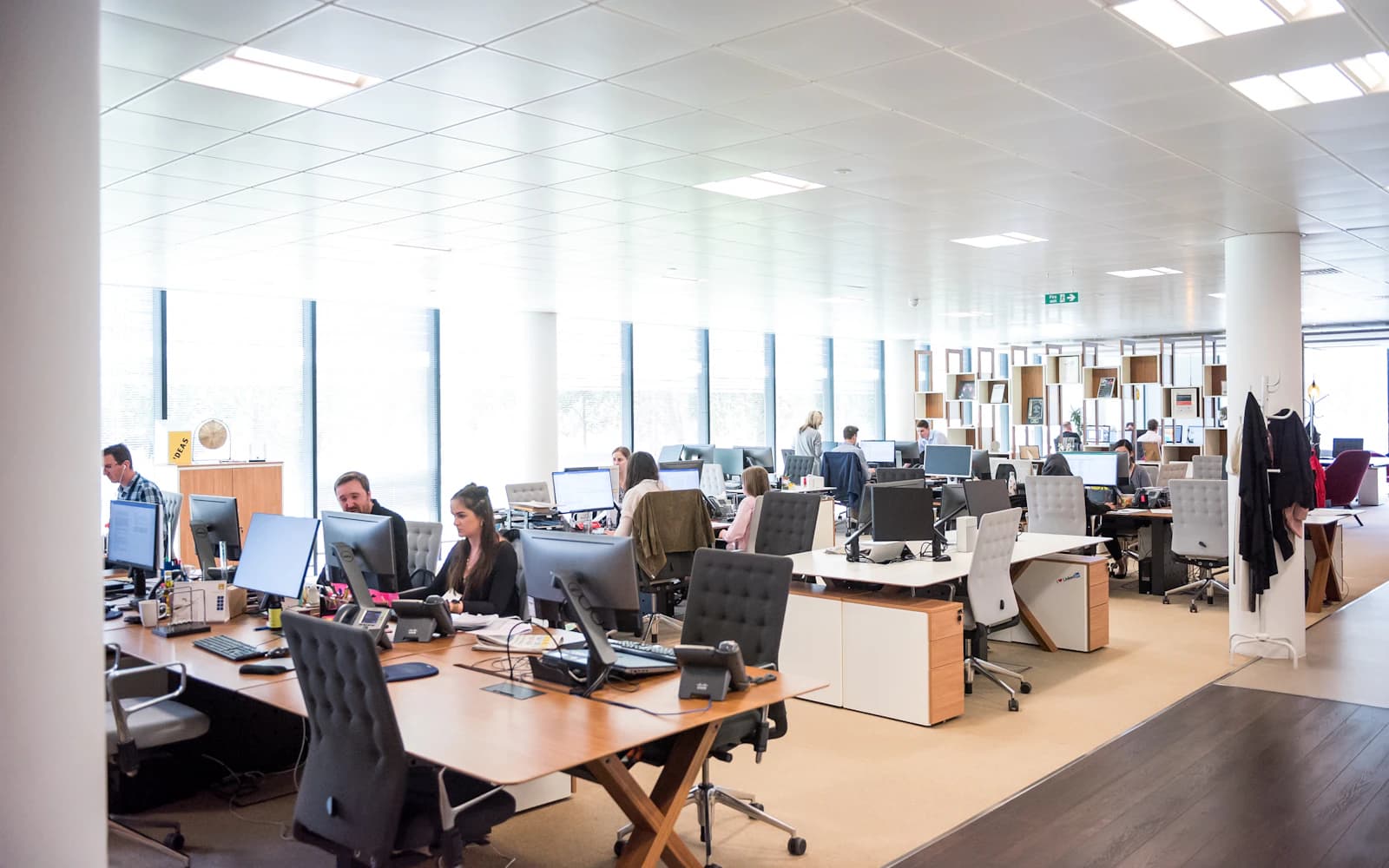
The Customer - A business-process outsourcer headquartered in Noida with 2,400 agent seats across two Indian sites, running outbound campaigns for banking, insurance and utilities clients in the United States, United Kingdom and Australia. Roughly 1.8 million outbound attempts per month, dialled from a cloud predictive dialler over SIP.
The Situation - The customer had been buying international termination on price from three wholesale carriers, with least-cost routing choosing between them per call. Answer rates on US and UK campaigns had drifted down for two years and sat at 19.4 percent across the top twelve destinations. Client contracts included answer-rate and connect-rate targets, and two clients had raised formal performance notices. Internally the decline was attributed to list quality and time-of-day pacing.
The Challenge - Our route analysis showed the underlying problem was caller ID. Fewer than half of premium-tier calls were arriving at the far end with the original A-number intact; the rest presented as unknown, as a carrier-substituted number, or in the US as gateway-attested calls that analytics engines were labelling as spam. On the UK campaigns, a proportion of calls presenting UK numbers from an international gateway were being blocked outright under Ofcom's CLI rules. Fixing this required a different route architecture, not just a different rate deck, and it had to be done without disrupting live campaigns or the client's dial-plan integration.
What We Did - We ran a two-week parallel trial: half of the traffic on the top twelve destinations moved to Dollu CLI-guaranteed premium routes over a dedicated SIP interconnect from Mumbai, with the remainder left on the incumbent carriers as a control. For US traffic we provisioned a pool of 600 US local numbers on Dollu US origination, documented the customer's letters of authorisation, and originated the calls so they carried A-level STIR/SHAKEN attestation. For UK traffic we allocated UK 01, 02 and 03 numbers held by the customer's UK client entity and presented them from a UK-authorised route. Number pools were sized so no number exceeded a defensible daily volume, and we registered the pools with the major US analytics vendors' business programmes. Live ASR, ACD, PDD and CLI delivery dashboards were shared with the customer's telephony team from day one, and a weekly route review was scheduled with a named carrier-relations manager.
The Results - On the trial half, answer rate rose from 19.4 percent to 25.4 percent within six weeks, a relative improvement of 31 percent, and held there after all traffic was migrated. Average call duration on connected calls rose 14 percent, consistent with more calls reaching a live person rather than voicemail. Post-dial delay fell from an average of 7.2 seconds to 3.1 seconds. Although the blended per-minute rate was higher than the previous least-cost mix, cost per connected call fell by 18 percent, and agent idle time between conversations dropped measurably. Both client performance notices were closed at the following quarterly review. The customer subsequently moved its Australian campaigns onto the same architecture and consolidated the three legacy carrier accounts into one.
“We had been buying on price for years and telling ourselves the answer rate was a list problem. Once the calls started arriving with our real numbers on them, the same lists produced a third more conversations. The dashboards made the case for us internally.”