How to evaluate a wholesale voice carrier
Rate decks all look the same on a spreadsheet. The differences that matter show up in ASR, PDD, CLI delivery and how the carrier behaves at 03:00 when a route degrades. Here is the checklist we use ourselves.
Price is the last thing to compare - Every wholesale voice carrier will send you an A–Z rate deck within an hour of your first email, and every deck will look competitive on the destinations you care about. That is not an accident. Rate decks are the easiest thing in this business to tune. What is hard to tune is what happens to a call after it leaves your switch, and that is where the money is actually won or lost. Before you look at a single rate, decide which of the four quality metrics matter for your traffic and get the carrier to commit to them in writing.
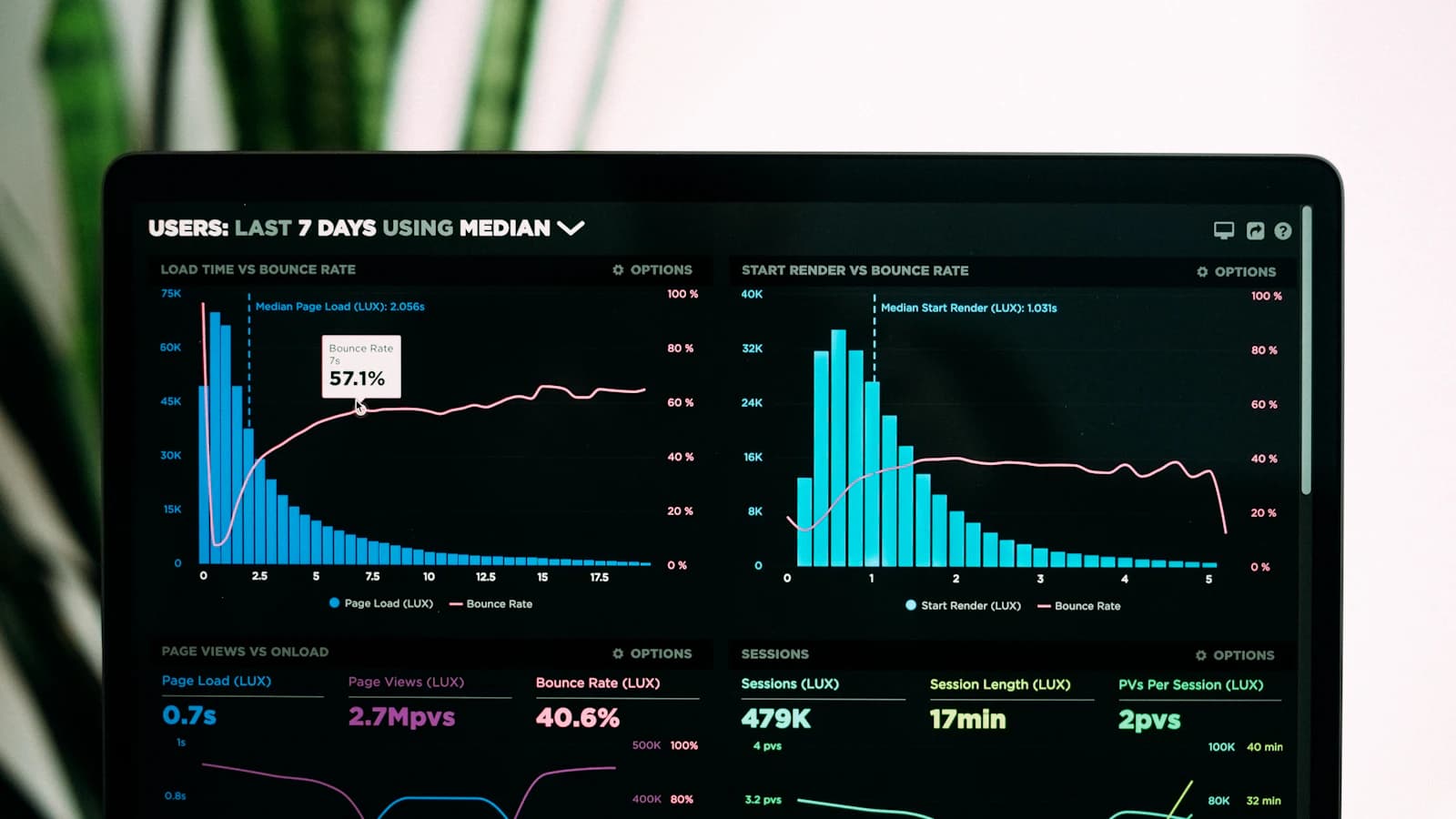
ASR, ACD, PDD and NER - Answer Seizure Ratio is the percentage of attempts that result in an answered call. On a clean route to a mobile network in Western Europe you should expect ASR in the 55–70 percent range; on a route to a busy South Asian mobile destination, 35–50 percent is normal because subscribers genuinely do not answer. Average Call Duration tells you whether the calls that connect are real conversations or false-answer supervision followed by a hang-up. Post Dial Delay is the gap between sending INVITE and receiving 180 Ringing or 183 Session Progress; anything above six seconds on a mobile destination is a sign that the route is being hairpinned through two or three intermediaries. Network Effectiveness Ratio strips out subscriber behaviour and measures whether the network itself delivered the call, so it is the fairest metric for comparing two carriers on the same destination. Ask for all four, per destination, over the last thirty days, and ask whether those numbers come from the carrier's own switch or from a downstream supplier.
CLI tiers mean different things at different carriers - Most carriers sell three tiers on each destination: a CLI-guaranteed premium route, a standard route where CLI is usually delivered but not promised, and a wholesale or grey route where CLI is stripped or replaced. The catch is that the words are not standardised. One carrier's "premium" is a direct interconnect with the terminating operator; another carrier's "premium" is a route bought from a hub that promises CLI on paper. Ask what proportion of premium calls actually present the original A-number at the far end, how that is measured, and what the credit is when it falls short. For contact centres and any traffic where answer rate drives revenue, CLI delivery rate is the metric to obsess over, because a call that arrives showing an unrecognised or missing number is a call that does not get answered.
Interconnect model and switching depth - Ask where the carrier's switches are, how many of its routes are direct bilateral interconnects with terminating operators, and how many are bought from other wholesalers. There is nothing wrong with a mixed model - no single carrier has direct routes to every operator on earth - but you want to know the ratio for the destinations that carry your volume. A carrier with 600 direct interconnects and PoPs in London, Frankfurt, Amsterdam, Ashburn, Mumbai and Singapore has more room to reroute around a degraded path than one selling everything from a single softswitch. Ask about geo-redundancy of the core, whether SIP over IPsec or a private cross-connect is available, and what codecs and DTMF methods are supported end to end.
Routing intelligence and how failures are handled - The difference between a good and a mediocre carrier is rarely visible on a normal Tuesday. It shows up when a terminating operator drops an interconnect at 03:00 and ASR on that destination halves. Does the routing engine notice within minutes and steer traffic to an alternative, or does it wait for a human? Are the alternatives quality-scored so you are not silently moved from a CLI-guaranteed route to a grey one? Ask to see the NOC escalation path, the response time commitment for a P1 route incident, and whether you get a named contact rather than a shared inbox.
Fraud controls protect your margin as well as theirs - International Revenue Share Fraud, Wangiri call-backs and PBX compromise generate traffic that looks legitimate for the first hour and then destroys a month's margin. A serious carrier runs real-time velocity checks per destination and per customer, blocks known IRSF number ranges, applies daily spend caps you can set yourself, and alerts you when your traffic profile changes shape. Ask what happens if a fraud spike originates from your side. Some carriers will bill you in full and point to the contract; better ones will have already blocked the traffic before it reached three figures.
Billing, disputes and rate-change notice - Rate decks change constantly. Ask how much notice you get for an increase (seven days is common for wholesale, less than that is a warning sign), how the carrier handles decreases, and whether the billing increment is 1/1 or 60/60 on the destinations that matter to you. Check the CDR format, how quickly CDRs are available, and whether there is an API for pulling them. Confirm the dispute window and the reconciliation process, because a five percent CDR mismatch on a large account is a real number.
Run a proper trial before you commit - Send at least a week of live traffic on the top ten destinations, split across the carrier and your incumbent, and compare ASR, ACD, PDD and CLI delivery from your own switch rather than the carrier's portal. Watch for weekend and evening degradation, and ask for a per-destination post-mortem on anything that dipped. A carrier that engages seriously with that conversation is one worth interconnecting with.